Beat the Texas Heat Without Blocking the View: Smart Shade Ideas for Your Woodlands Pool
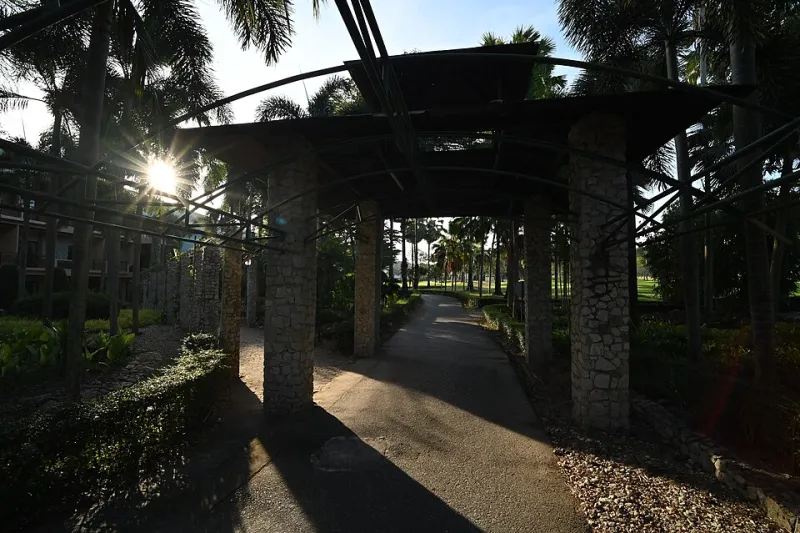
Photo: PattayaPatrol, CC BY-SA 4.0, via Wikimedia Commons
If you've ever stepped outside on a July afternoon in The Woodlands and immediately retreated back into the air conditioning, you already know the problem. The Texas sun is relentless. And while a pool is the best antidote to summer heat, sitting in direct sunlight next to one can still feel like you're being slow-roasted.
The good news? You don't have to choose between comfort and a beautiful backyard. The right shade solution can actually enhance your pool area rather than clutter it. Let's walk through the options that work best for homeowners here in The Woodlands.
Why Shade Planning Matters More Than You Think
Most people think about shade as an afterthought — something to figure out once the pool is already built. That's a mistake. Where you place shade structures affects everything: how the pool looks from inside the house, how furniture gets arranged, whether you're accidentally shading the pool itself (which can affect water temperature and algae growth), and even how your landscaping evolves over time.
In The Woodlands specifically, you're dealing with high humidity on top of intense sun exposure from roughly April through October. That's a long stretch of outdoor living that demands a real solution, not just a patio umbrella you drag out when things get desperate.
Pergolas: The Gold Standard for Poolside Style
Pergolas have become one of the most popular shade additions for pool areas in The Woodlands — and for good reason. A well-designed pergola adds architectural interest, creates a defined outdoor living zone, and can be customized to match just about any home style.
The key with pergolas is material choice. Cedar and redwood look gorgeous but require regular maintenance in a humid Texas climate. Aluminum pergolas are increasingly popular here because they're rust-resistant, low-maintenance, and can be powder-coated in virtually any color. Vinyl is another low-upkeep option, though it can look a bit plain without added design details.
Louvered pergolas — where the roof slats actually rotate to control sun exposure — are worth the extra investment for Houston-area homeowners. On a partly cloudy day, you can angle the louvers to let in diffused light. When the afternoon sun gets brutal, close them up. Some motorized models even come with rain sensors that automatically adjust. Expect to spend anywhere from $8,000 to $25,000 or more depending on size, materials, and features.
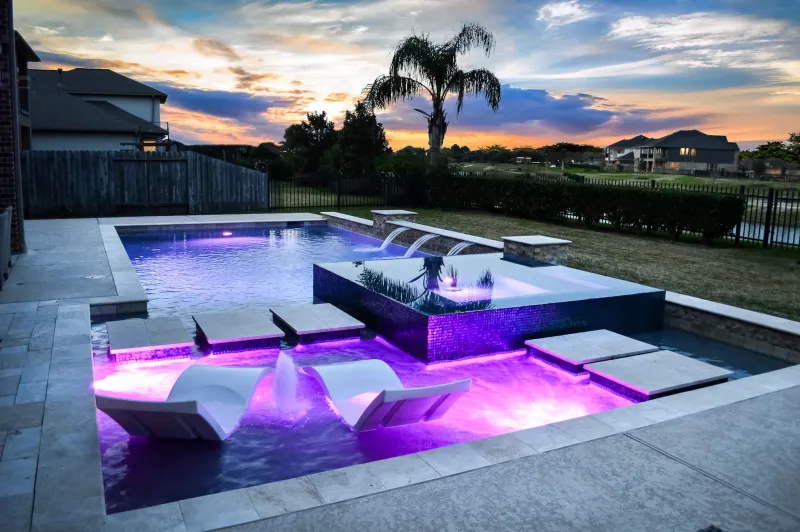
One design tip: position your pergola so it shades the seating and lounging areas without casting a shadow directly into the pool. You still want that sparkling blue water to be visible and sun-drenched — it's part of what makes the whole setup feel like a resort.
Shade Sails: Modern, Flexible, and Surprisingly Affordable
If a pergola feels too permanent or too expensive right now, shade sails are a fantastic middle-ground option. These tensioned fabric panels can be rigged between posts, fence lines, or even the side of your house to create angular, contemporary shade coverage.
What makes shade sails appealing for The Woodlands homeowners is their flexibility. You can take them down in winter, reposition them as your needs change, or layer multiple sails to cover a larger area. High-quality shade sails use UV-blocking HDPE fabric that filters out 90–95% of UV rays while still allowing airflow — which matters a lot when you're trying to stay cool in humid Texas heat.
Costs vary widely. A basic residential shade sail setup might run $500 to $2,000 installed. Premium architectural-grade sails with stainless steel hardware and custom sizing can push $5,000 or more. Either way, you're typically spending less than a pergola while still getting a clean, modern look.
The one downside? Shade sails require solid anchor points. If you don't have existing structures to attach them to, you'll need to install posts — which adds to cost and planning. Make sure any installation accounts for The Woodlands' occasional severe weather; improperly anchored sails can become a liability during strong storms.
Umbrellas: Simple, Versatile, and Underrated
Don't sleep on a quality cantilever umbrella. While a single patio umbrella won't shade your entire pool deck, a large commercial-grade cantilever model — the kind with an offset pole that keeps the support arm out of your living space — can shade a dining table, chaise lounges, or a bar area very effectively.
Look for umbrellas with a 10- to 13-foot canopy diameter and a weighted base rated for wind. Sunbrella fabric is the go-to choice for UV resistance and durability in Texas conditions. A solid cantilever umbrella runs $400 to $1,500 depending on size and brand, making it the most budget-friendly shade option on this list.
The advantage here is pure flexibility. You can reposition it throughout the day to follow the sun, store it during hurricane season, and swap it out when styles change. For smaller pool decks or supplemental shade in specific spots, umbrellas are hard to beat.
Strategic Tree Planting: Natural Shade Done Right
Here's where things get a little more nuanced. Trees are the most beautiful and natural shade solution available — but they require careful planning when placed near a pool.
The biggest concern is leaf litter. Trees that shed heavily (and in The Woodlands, that includes many native species) can turn pool maintenance into a constant battle. You're looking for trees that provide canopy shade without dropping excessive debris into the water.
Some good options for The Woodlands area:
- Live Oaks — iconic Texas trees that are semi-evergreen, provide dense shade, and are relatively tidy compared to other oaks. Plant them on the west or southwest side of your pool to block that brutal late-afternoon sun.
- Southern Magnolias — beautiful, evergreen, and slow-dropping. The large leaves are easy to skim, and the canopy provides excellent coverage.
- Crape Myrtles — not a shade tree per se, but excellent for adding height, color, and partial filtered shade along pool fence lines without overwhelming the space.
- Natchez White Crape Myrtle — grows tall enough to provide some overhead canopy while staying graceful and relatively clean.
Avoid fast-growing trees like silver maples or cottonwoods near pools. They drop constantly, have invasive root systems, and can wreak havoc on your pool plumbing over time.
Keep in mind that trees are a long game. You're planting for shade five to ten years from now, not this summer. That's why most homeowners combine tree planting with one of the structural options above to get immediate relief while the landscape matures.
Putting It All Together
The smartest approach for most Woodlands pool owners is a layered one. A pergola or shade sail handles the primary seating area. A quality umbrella covers the dining table or a secondary lounging spot. And a few well-placed trees start building toward long-term natural cooling.
When you're designing your pool or planning a backyard renovation, bring shade into the conversation early. It affects layout, budget, and the overall feel of your outdoor space. The goal is a backyard that's genuinely usable from morning to evening — not just the two hours before noon when the sun is still manageable.
The Woodlands is full of beautiful outdoor spaces. With the right shade strategy, yours can be one of them — without looking like a construction site or a beach rental.