Pavers, Patios, and Proper Drainage: The Hardscaping Game Plan Every Woodlands Pool Owner Needs
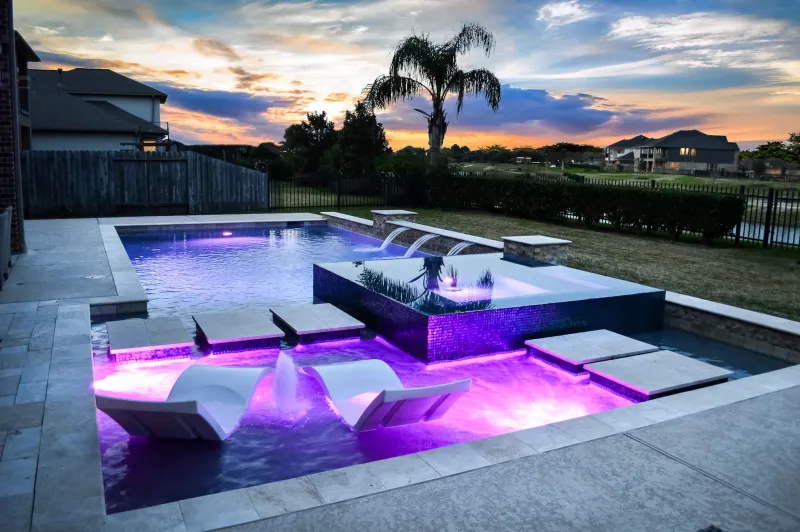
Photo: pool patio travertine pavers backyard Texas luxury outdoor living space, via i.pinimg.com
You've signed the contract. The pool dig is scheduled. You're already mentally floating on a raft with a cold drink in hand. But here's the thing most homeowners don't think about until it's too late: the ground around your pool matters just as much as the pool itself.
In The Woodlands, that ground comes with a set of challenges that can turn a gorgeous backyard project into a muddy, cracking, water-pooling nightmare — if you skip the hardscaping conversation. The good news? Getting it right doesn't have to be complicated. It just has to be intentional.
Why Hardscaping Can't Be an Afterthought
Let's be honest — most people get excited about the water features, the lighting, and the tile work. Hardscaping sounds boring by comparison. But think about it this way: every time someone walks from your back door to the pool, every time it rains hard for three days straight, every time your kids track wet feet across the patio — the hardscape is doing the heavy lifting.
In The Woodlands specifically, the soil is notoriously clay-heavy. Clay expands when it absorbs water and contracts when it dries out. That constant movement is the enemy of any surface sitting on top of it — concrete slabs crack, pavers shift, and drainage paths get redirected in ways nobody planned for. If you don't account for this during the pool construction phase, you're setting yourself up for repairs within just a few years.
The smartest move? Treat the hardscape as part of the pool project, not a separate afterthought you'll "deal with later."
Material Options That Can Actually Handle Texas Weather
Not every material holds up the same way under South Texas sun, humidity, and the occasional freeze. Here's a quick rundown of what works well in this region:
Travertine Pavers — A popular choice in The Woodlands for good reason. Travertine stays cooler underfoot than many alternatives, which matters enormously when barefoot kids are running around in July. It's also naturally slip-resistant and handles moisture well. The downside is cost — it runs higher than basic concrete.
Concrete Pavers — A solid middle-ground option. They're durable, come in a huge range of styles, and can be replaced individually if one shifts or cracks — a huge advantage over poured concrete slabs. Proper base preparation is critical here, especially given the clay soil situation.
Stamped Concrete — Looks great and costs less upfront than pavers, but it's worth knowing that stamped concrete can be more vulnerable to cracking in areas with significant soil movement. Sealing it regularly is non-negotiable in this climate.
Natural Stone (Flagstone, Limestone) — Texas limestone in particular feels right at home in this region aesthetically and performs well. Irregular flagstone installations have natural gaps that actually help with drainage. The irregular surface isn't for everyone, but it creates a beautiful, organic look.
Composite Decking — If you're incorporating elevated deck sections, composite materials hold up far better than wood in the heat and humidity. Wood warps, splinters, and rots faster than you'd expect here.
The Drainage Problem Nobody Talks About Enough
Here's where things get serious. The Woodlands gets significant rainfall — we're talking averages well above 50 inches per year. Combined with clay soil that doesn't absorb water quickly, poor drainage planning around a pool can lead to:
- Water intrusion into the pool structure itself
- Deck surfaces that stay perpetually wet and develop mold or algae
- Erosion that undercuts your hardscape and causes settling
- Standing water that breeds mosquitoes (a real quality-of-life issue in this region)
Proper drainage means thinking about where water flows before the first shovel hits the ground. French drains, channel drains along the pool edge, and graded surfaces that direct runoff away from both the pool and your home's foundation are all tools in the toolkit. This isn't glamorous work, but skipping it is one of the most expensive mistakes a Woodlands homeowner can make.
During pool construction is the ideal time to install drainage infrastructure — the ground is already disrupted, equipment is already on site, and coordinating with your pool builder means the drainage plan integrates with the pool's structural design rather than fighting against it.
Common Hardscaping Mistakes in The Woodlands (And How to Dodge Them)
Skipping the base prep. Laying pavers directly on clay soil without proper compacted base material is a recipe for a wavy, uneven surface within a season or two. A well-prepared gravel and sand base is non-negotiable.
Ignoring expansion joints. Concrete without adequate expansion joints will crack. Period. Texas temperature swings — from freezing winter nights to 100-degree summer days — create significant expansion and contraction stress.
Choosing materials based on looks alone. That gorgeous dark slate might look stunning in a showroom photo, but it absorbs heat like a frying pan in direct Texas sun. Always test how a material performs in real conditions before committing.
Underestimating the coping transition. The coping — the edge material that caps the pool bond beam and transitions to the deck — is a critical connection point. Poor installation here leads to water getting behind the pool shell and deck movement that damages both surfaces.
Forgetting about shade structures. Hardscaping should account for pergolas, shade sails, or covered patio areas from the start. Adding them later means potentially cutting into finished surfaces and disrupting drainage paths you already paid to get right.
Planning Hardscape During Construction Saves Real Money
The math here is simple. If you coordinate hardscaping with your pool build, you share mobilization costs, avoid tearing up finished work, and give your designer the chance to see the full picture before making decisions. Retrofitting a drainage system after your deck is poured costs significantly more than installing it while the yard is already open.
Beyond cost, there's the functional benefit of a cohesive design. Walkways that flow naturally from the house to the pool, lighting that's wired into the hardscape rather than stapled on as an afterthought, and a patio size that actually accommodates the furniture you want — these things only happen when someone thinks it through from the beginning.
Your Backyard Deserves the Full Picture
A pool surrounded by mud, cracked concrete, and standing water isn't anyone's idea of a backyard paradise. The Woodlands homeowners who end up with outdoor spaces they genuinely love are the ones who treated hardscaping as part of the vision from day one — not a line item to cut when the budget gets tight.
If you're in the planning stages of a pool project, bring the hardscape conversation to the table early. The right combination of materials, drainage strategy, and thoughtful layout will protect your investment and make your backyard the place your whole neighborhood wants to hang out.
That cold drink on the raft? It tastes better when the view is exactly what you imagined.