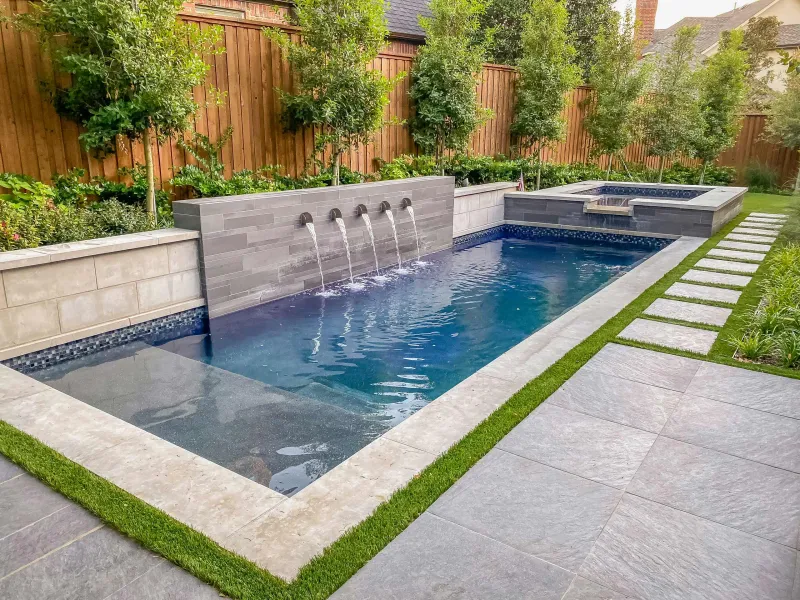
So You Watched a Few YouTube Videos: The Real Price of DIY Pool Landscaping in The Woodlands

Photo by Photo by Linda Knicely on Unsplash on Unsplash
The Dream vs. The Driveway Full of Regret
Every spring, thousands of homeowners across The Woodlands fire up their Pinterest boards, load up their trucks at Home Depot, and convince themselves that professional pool landscaping is just an overpriced version of something they can totally handle themselves. And honestly? Some of it they can. But a surprising amount of it ends in soggy yards, dead plants, and repair bills that make the original contractor quote look like a steal.
This isn't about shaming anyone for trying. It's about giving you a realistic picture of where DIY pool landscaping goes sideways in this specific part of Texas—and what it ends up costing when it does.
The Soil Problem Nobody Warns You About
Here's something that doesn't make it into the lifestyle blog posts: the soil around The Woodlands is complicated. Depending on your neighborhood, you might be dealing with expansive clay, sandy loam, or some unholy combination of both sitting on top of each other. Pool construction already disturbs that soil dramatically, and once you start adding landscaping on top of disturbed ground without proper grading, you're setting yourself up for erosion issues that can escalate fast.
A common scenario: a homeowner installs a beautiful mulched planting bed along the pool edge without accounting for slope. The first serious rain—and Texas does not do gentle rain—sends that mulch, topsoil, and debris directly into the pool and the surrounding drainage system. Cleanup alone can run $300 to $600. If the erosion is bad enough to require regrading, you're looking at $1,500 to $4,000 depending on the scope.
Professional landscapers who work regularly in this area understand local drainage patterns, HOA grading requirements, and how to create proper swales and borders that actually hold up. That knowledge isn't glamorous, but it's worth every dollar.
Plant Selection: Where Good Intentions Go to Die
This one hurts to write because the mistakes are so avoidable. Woodlands homeowners frequently choose plants based on how they look in the nursery or how they photograph on a design blog, without accounting for how those plants behave next to a chlorinated pool in a Zone 9 Texas summer.
Some of the most common and costly plant mistakes:
Choosing plants with invasive root systems. Certain trees and large shrubs that look gorgeous near water will send roots toward your pool plumbing and shell over time. Repairs to pool plumbing damaged by root intrusion can run anywhere from $800 to several thousand dollars depending on where the damage occurs.
Picking plants that drop debris constantly. A flowering tree that looks stunning in March can become a full-time maintenance burden from April through October when it's shedding petals, seed pods, and leaves directly into your pool. Increased skimmer clogs, filter strain, and chemistry imbalances add up—both in time and in chemical costs.
Underestimating heat and chemical exposure. The splash zone around a pool is a harsh microclimate. Salt systems, chlorine splash, and intense reflected heat from pool decking can destroy plants that aren't specifically selected for those conditions. Replacing a planting bed that didn't survive the summer costs $500 to $2,000 depending on what was planted.
A landscape designer familiar with pool environments in this region keeps a mental list of what works and what doesn't. That shortcut is genuinely valuable.
Hardscaping Missteps That Become Structural Headaches
Let's say you decide to install a DIY stone border or a small retaining wall along the pool area. You've watched the tutorials. You rented the equipment. What could go wrong?
Quite a bit, as it turns out. Improperly installed edging and borders shift over time, especially in soil that expands and contracts seasonally as ours does here in Southeast Texas. What starts as a minor gap becomes a tripping hazard, a drainage problem, or a situation where water is pooling against your pool shell or equipment pad.
Small retaining walls are particularly risky as DIY projects. Without proper footer depth and drainage behind the wall, hydrostatic pressure builds up and walls fail—sometimes within a single wet season. Rebuilding a failed retaining wall professionally typically costs $50 to $100 per linear foot, and that's before addressing any secondary damage.
The Projects That Actually Make Sense to DIY
In the spirit of being genuinely useful, here's where homeowners can reasonably save money without creating expensive problems down the road:
- Container planting and potted arrangements. Swapping out seasonal color in containers near the pool is low-risk, low-cost, and totally DIY-friendly.
- Mulch refreshing. Once a professional has established proper edging and beds, topping off mulch annually is something most homeowners can handle without drama.
- String lights and basic outdoor lighting. Decorative lighting that doesn't involve in-ground wiring is a safe DIY zone.
- Furniture arrangement and styling. Obviously.
The pattern here is that the safest DIY tasks involve things that sit on top of a professionally established foundation rather than things that alter grading, drainage, planting, or hardscape structure.
The Real Cost Comparison
Here's a rough breakdown that Woodlands homeowners find eye-opening when they actually run the numbers:
A typical DIY pool landscaping attempt—plants, materials, rentals, and the first round of fixes—often lands between $3,000 and $6,000 when all is said and done. When things go wrong (and they frequently do), add another $2,000 to $8,000 in remediation costs over the first two years.
A professionally designed and installed pool landscape for a comparable Woodlands backyard generally runs $8,000 to $18,000 depending on scope—but it's done correctly the first time, it's warrantied, and it's designed specifically for this climate and your pool's specific conditions.
The math doesn't always favor hiring out, but it's closer than most people expect. And when you factor in the time, the stress, and the very real possibility of compounding problems, the professional route looks more attractive than the sticker shock initially suggests.
When to Call It and Bring in the Pros
If you're already mid-project and something isn't looking right—drainage seems off, plants are struggling after a few weeks, your edging is already shifting—don't wait to see if it resolves itself. It almost never does. Getting a landscape professional to assess the situation early almost always costs less than letting a problem develop for another season.
Pool landscaping in The Woodlands is genuinely beautiful when it's done well. The right plants, proper grading, and thoughtful design can make your backyard feel like a private retreat. It just tends to get there faster and cheaper when someone who does this for a living is steering the ship.