What Woodlands Homeowners Actually Pay When Pool Construction Goes Wrong
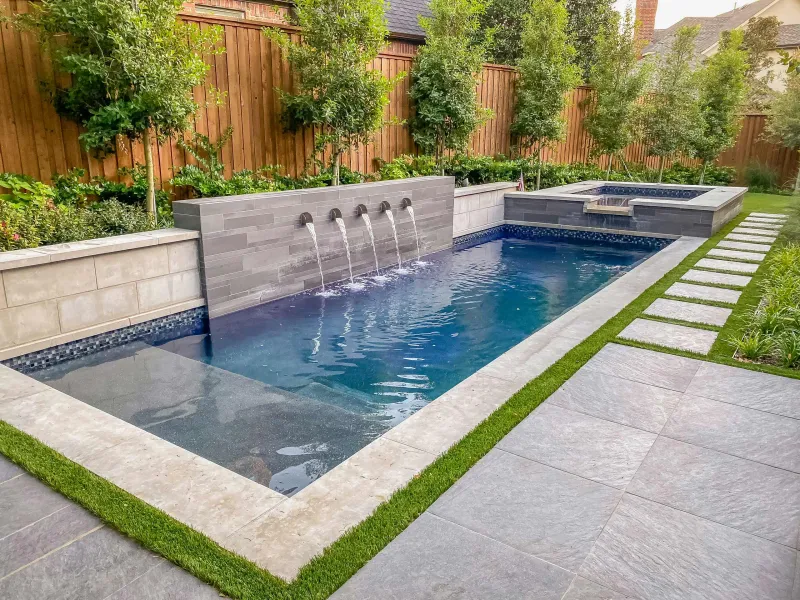
Photo: pool construction mistake cracked concrete backyard Texas, via st.hzcdn.com
There's a certain appeal to the idea of building your own pool. You control the timeline, you skip the contractor markup, and you get to say you did it yourself. For a handful of very specific home improvement projects, that logic holds up. Pool construction in The Woodlands, Texas is not one of them.
We've talked to local homeowners, contractors, and inspectors across Montgomery County, and the story is almost always the same: what started as a cost-cutting decision turned into a repair bill that dwarfed the original savings. Sometimes by a factor of two or three.
This isn't a scare piece. It's a financial reality check — because understanding why professional installation is worth the price tag is a lot more useful than just being told it is.
The Woodlands Ground Is Not Forgiving
One of the first things any experienced pool builder in the area will tell you is that Southeast Texas soil is its own challenge. The expansive clay-heavy ground in and around The Woodlands shifts with moisture levels — swelling when it's wet, contracting when it dries out. That cycle puts enormous stress on underground structures.
A professional crew accounts for this during the excavation and foundation phase. They know how deep to go, how to prep the soil bed, and how to engineer the shell to flex without cracking. DIY builders who skip the geotechnical assessment — or who simply don't know it's necessary — often end up with a pool that develops structural cracks within the first two to three years.
Repair costs for a cracked gunite or shotcrete shell aren't small. Depending on severity, you're looking at anywhere from $3,500 to well over $15,000, and that's before you factor in draining the pool, reapplying plaster, and addressing any landscaping or deck damage that happened along the way.
One homeowner in the Creekside Park area shared that she and her husband completed what they thought was a solid pool build using online guides and a rented excavator. By year two, they noticed water loss that exceeded normal evaporation. A pressure test confirmed the shell had cracked in two places. The repair, including resurfacing, ran just over $11,000 — more than the labor savings they'd originally celebrated.
Waterproofing: Where Most DIY Builds Fall Apart
Proper waterproofing is arguably the most technically demanding part of pool construction, and it's the step most often underestimated by homeowners attempting to manage their own build.
It's not just about applying a waterproof coating. It involves layering materials correctly, ensuring the bond coat adheres properly to the substrate, sealing around every fitting and penetration point, and accounting for thermal expansion at the coping and tile lines. Miss any one of those details and you've got a slow leak that may not show up for months.
Slow leaks are especially damaging in The Woodlands because of the soil dynamics mentioned above. Water seeping into that clay-heavy ground beneath your pool deck doesn't just disappear — it destabilizes the base, causes settling, and can eventually undermine your deck pavers or concrete surround. What starts as a waterproofing shortcut can cascade into a full deck replacement.
Professional pool builders carry the knowledge, the right materials, and the liability to get this step right. When something does go wrong with a licensed contractor's work, there's a warranty and a clear path to resolution. With a DIY build, you're on your own.
Electrical Work Around Water Is a Legal — and Literal — Minefield
This is the part of the conversation where we have to be direct: improperly wired pool equipment is dangerous. Full stop.
In Texas, pool electrical work must meet specific National Electrical Code requirements and local jurisdictional standards. That means bonding the pool shell, properly grounding all equipment, running the right gauge wire at the right depth, and positioning outlets and junction boxes at code-required distances from the water's edge. Montgomery County and The Woodlands area have inspection processes for a reason.
DIY electrical mistakes in pool construction have caused electrocutions. They've also triggered house fires when pump motors were wired incorrectly and overheated. Even if the immediate outcome isn't catastrophic, an improperly wired pool that fails inspection will require a licensed electrician to tear out and redo the work — often at a cost that exceeds what a professional installation would have charged in the first place.
Beyond safety, there's the insurance angle. If your homeowner's insurance company discovers that unpermitted or improperly completed electrical work contributed to a loss, you may find your claim denied. That's a risk that no amount of upfront savings is worth taking.
The Permit Problem Nobody Talks About
Pulling the right permits for pool construction in The Woodlands isn't optional — it's legally required, and it protects you in ways that aren't always obvious until you try to sell your home.
Unpermitted pools create real estate headaches. Title companies flag them. Buyers' inspectors find them. And when it comes time to close, you may be required to bring the pool up to current code before the sale can proceed — which could mean demolition and rebuild of certain elements, not just a quick fix.
Licensed pool builders handle the permitting process as a standard part of their service. They know what Montgomery County requires, what the HOA covenants in various Woodlands villages allow, and how to schedule inspections at the right stages of construction. DIY builders who skip this step aren't just risking fines — they're potentially creating a title problem that follows the property for years.
So What Does Professional Installation Actually Cost vs. the DIY Repair Bills?
Let's put some rough numbers on this. A professionally built in-ground pool in The Woodlands typically runs between $50,000 and $100,000 depending on size, materials, and features. That number includes design, excavation, structural engineering, plumbing, electrical, waterproofing, and finishing.
Homeowners who attempt to manage their own build — hiring individual subcontractors piecemeal or doing portions themselves — often report spending 60 to 75 percent of that range just on materials and labor, without the coordination, warranty, or expertise. Then, when things go wrong (and in the DIY world, they usually do), repair costs eat into whatever margin they thought they'd saved.
The math tends to look something like this: save $15,000 upfront, spend $20,000 over the next five years fixing problems. That's not a hypothetical — it's a pattern local contractors see regularly when they're called in to assess or repair DIY builds.
The Bottom Line for Woodlands Homeowners
A backyard pool is one of the biggest investments you'll make in your home. In a market like The Woodlands — where property values are strong and buyers are discerning — a pool that's built right adds real value. One that's been patched, repaired, and quietly plagued by structural or electrical issues does the opposite.
Professional pool installation isn't just about paying for someone else's labor. It's about paying for experience, accountability, and the kind of long-term peace of mind that doesn't come with a YouTube tutorial. When you're talking about a permanent structure filled with water and wired for electricity, that's exactly the kind of investment that pays for itself.